Difference Between Face and Body Sunscreen
Sunscreen is one of the most important steps in daily skin care. It protects your skin from harmful sun rays that can cause burns, dark spots, and early aging. Many people use sunscreen on sunny days but skip it when it feels cloudy or cool. That can be a big mistake.
At the store, you will often see two types of sunscreen: one for the face and one for the body. They may look similar, but they are not the same. While both face and body sunscreens protect against UV rays, they are made for different skin needs. Knowing the difference helps you choose the right product and keep your skin healthy.
What Is Sunscreen?
Sunscreen is a product that protects your skin from the sun’s ultraviolet (UV) rays. These rays can damage your skin even when you do not feel hot or see a sunburn right away.
There are two main types of UV rays. UVA rays cause skin aging and wrinkles. UVB rays cause sunburn. Good sunscreen protects against both. This is called broad-spectrum protection.
Sunscreen works by either blocking UV rays or absorbing them before they harm your skin. When used daily and applied correctly, sunscreen lowers the risk of skin cancer and keeps skin looking smooth and even.
Why Face Sunscreens Are Different
The skin on your face is not the same as the skin on your body. Facial skin is thinner, more sensitive, and has more oil glands. It is also exposed to the sun more often.
Because of this, face sunscreens are made with extra care. They focus on comfort, gentle ingredients, and daily wear. Many are designed to work well under makeup and not feel heavy.
Body sunscreens focus more on covering large areas. They are often stronger, thicker, and made to last through sweat and water. These differences matter more than many people realize.
Key Differences Between Face and Body Sunscreen
At first, it may seem easy to use one sunscreen for everything. But face and body sunscreens are made with different goals in mind. These differences affect how they feel, how they work, and how your skin reacts to them.
Understanding these key points can help you avoid breakouts, irritation, and wasted money.
1. Formulation Differences in Ingredients and Texture
Face sunscreens often include skin-friendly ingredients. These may include antioxidants, which help fight skin damage, and hydrating agents that keep skin soft. Some also include calming ingredients to reduce redness.
Body sunscreens are usually more basic. They focus on strong sun protection and water resistance. Some may include fragrances or alcohol, which can be fine for body skin but harsh on the face.
Face sunscreens are usually light and smooth. They spread easily and sink into the skin fast. This helps prevent clogged pores and greasy shine.
Body sunscreens are often thicker. Creams, lotions, and gels are common. These textures work well for arms, legs, and back but can feel heavy on the face.
2. SPF Levels
Most face sunscreens come in SPF 30 or higher. SPF 30 is enough for daily use when applied well and reapplied as needed. Higher SPF options are also available for people who burn easily.
Body sunscreens often come in higher SPF levels, like SPF 50 or more. This is helpful for long outdoor days, beach trips, or sports. The higher SPF adds extra protection during strong sun exposure.
The key is not just SPF number but correct use. Even high SPF sunscreen will not work if you apply too little.
3. Skin Types and Sensitivities
Facial skin needs special care. Many people deal with acne, dryness, or redness on their face. That is why face sunscreens are often non-comedogenic, meaning they do not clog pores.
They are also made to be hypoallergenic and gentle. This helps people with sensitive skin, rosacea, or acne avoid flare-ups and irritation.
Body skin is thicker and less sensitive. Body sunscreens are made to work for many skin types at once. They may feel heavier but are less likely to cause problems on arms or legs.
This difference is one reason body sunscreen can cause breakouts when used on the face.
4. Purpose of Use
Face sunscreen is made for daily use. You can apply it in the morning as part of your skincare routine. Many formulas sit well under makeup and do not leave a white cast.
Body sunscreen is made for outdoor use. It works best during swimming, hiking, or long sun exposure. These products are often water-resistant and stay on longer.
Using the right sunscreen for the right moment improves comfort and protection.
5. Application methods
When applying sunscreen to your face, use clean fingers and gentle motions. A small amount is enough, but it should cover the whole face, including ears and neck.
Patting instead of rubbing can help avoid irritation. Let the sunscreen absorb before applying makeup for best results.
For the body, use enough product to cover all exposed skin. Lotions and sprays help cover large areas quickly.
Make sure to spread it evenly. Do not forget common missed spots like shoulders, backs of knees, and tops of feet. Reapply often, especially after swimming or sweating.
Can You Use the Same Sunscreen for Your Face and Body?
Yes, you can use one sunscreen for both in some cases. If a sunscreen is gentle, fragrance-free, and labeled safe for face use, it may work well everywhere.
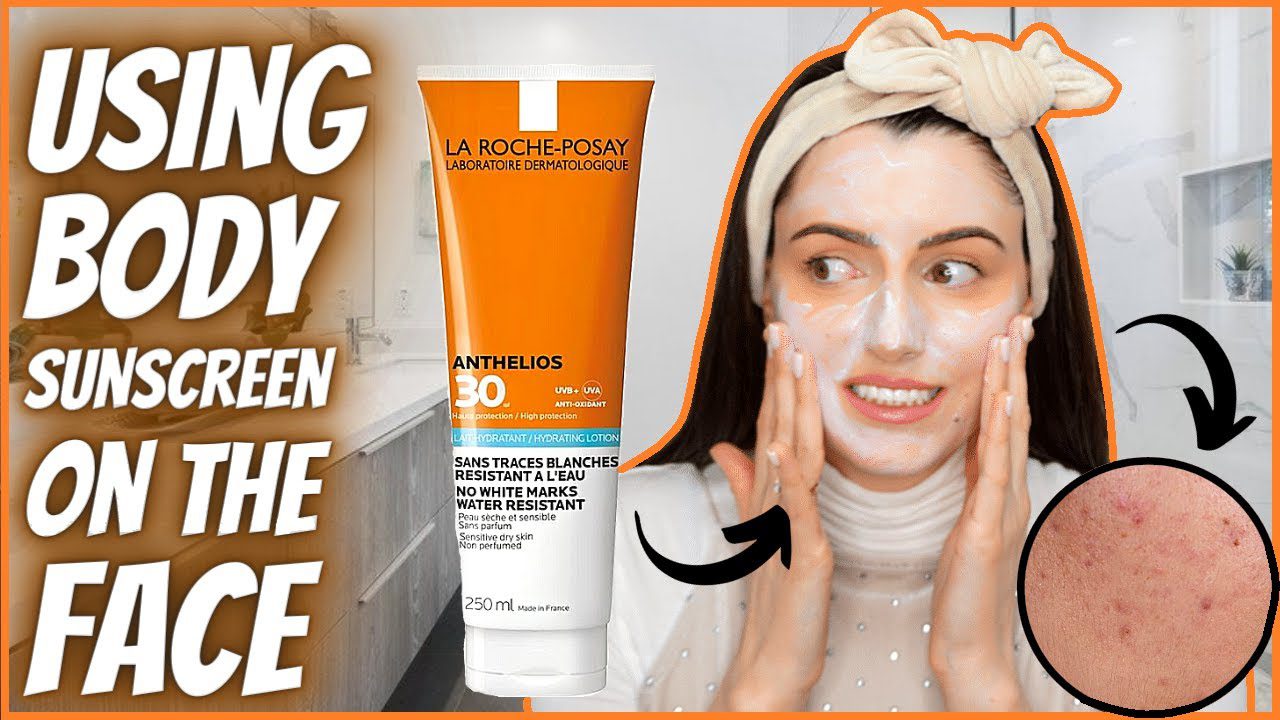
But using body sunscreen on your face every day is not ideal. It may feel greasy, clog pores, or cause breakouts. Using face sunscreen on your body can also get expensive, as face products come in smaller sizes.
If you are in a hurry or forgot one product, using any sunscreen is better than using none. Still, for daily care, separate products work best.
Why You Need Both body and face sunscreen
Using both face and body sunscreen gives full protection. Each product does its job where it works best. This reduces the risk of sun damage across your whole body.
Daily face sunscreen protects against early aging and dark spots. Body sunscreen protects large areas during outdoor activities. Together, they form a complete sun care plan.
Regular sunscreen use helps prevent wrinkles, uneven skin tone, and sunburn. It also lowers the risk of skin cancer over time.
When you use the right sunscreen in the right place, your skin stays healthier for longer. Small daily habits lead to big results.
Face and body sunscreens may look similar, but they are made for different needs. Face sunscreen is lighter, gentler, and designed for daily wear. Body sunscreen is stronger, thicker, and made for long sun exposure.
Using separate products helps protect your skin better and avoids irritation. The goal is not just sun protection but comfort and long-term skin health.
Choose your sunscreen wisely. Make it part of your daily routine. When sunscreen feels good on your skin, you are more likely to use it every day. That is the real secret to healthy, protected skin.