
Should I Put Sunscreen on at Night?
Sunscreen is one of the most important skincare products. It protects the skin from harmful UV rays and helps prevent sunburn, early ageing, and skin cancer. Most people know they should use sunscreen during the day. But many still ask one common question: Should I put sunscreen on at night?
The short answer is no. Sunscreen is not needed at night in most cases. Still, this topic creates confusion, so let’s break it down in a simple way.
This article explains what sunscreen does, why it is not required at night, when it might be useful, and what you should use instead before bed.
Can We Use Sunscreen At Night?
Yes, you can use sunscreen at night, but that does not mean you should. Sunscreen is made to protect the skin from UV rays. These rays mainly come from the sun during the day.
At night, there is no sunlight. That means there is no natural UV radiation to block. Because of this, sunscreen does not serve its main purpose after sunset.
Some people apply sunscreen at night by habit or confusion. Others think it helps repair the skin. In reality, sunscreen does not heal skin damage. It only prevents damage caused by UV rays.
So while using sunscreen at night is not harmful in every case, it is usually unnecessary.
Are There Any Benefits of Wearing Sunscreen at Night?
There are a few limited cases where sunscreen at night may offer mild benefits. These situations are not common for most people.
1. Protection from Artificial Light
Some screens and indoor lights emit blue light. Almost all of us use phones, tablets, and computers before bed, and these devices emit blue light.
Blue light is a form of artificial UV radiation, and it can affect your skin. Applying sunscreen at night might offer a layer of protection against this light exposure, preventing damage to your skin.
If you work late hours in front of screens, this may offer small protection. Still, this benefit is minor compared to daytime sun exposure.
2. Antioxidant Ingredients
Some sunscreens include antioxidants like vitamin E or niacinamide. These help fight free radicals and support skin health.
However, these benefits come from the added ingredients, not from SPF itself. You can get the same benefits from serums or night creams without SPF.
3. Sensitive or Treated Skin
After skin treatments like chemical peels or laser therapy, a doctor may suggest barrier products. In rare cases, a mineral sunscreen can act as a physical shield.
This should only be done if advised by a dermatologist.
4. Prevention of Premature Aging
Sunscreen doesn’t just protect against sunburn. It also helps prevent premature aging by blocking UV rays that cause wrinkles and fine lines.
Even if you’re indoors at night, sunscreen can be useful in safeguarding your skin from the gradual aging effects of blue light.
5. Preventing Conditions like Melasma
For those with conditions like melasma (dark spots caused by UV exposure), sunscreen can help. Melasma is not just caused by sunlight; blue light can also trigger it. Therefore, wearing sunscreen, especially one that provides protection from blue light, can help reduce the risk of developing melasma over time.
6. Boosting Your Skincare Routine
Many sunscreens now contain antioxidants like vitamin C, vitamin E, or niacinamide, which can help fight free radicals and boost skin repair.
By using sunscreen at night, you could be adding an extra layer of protection and healing benefits to your skincare routine.
7. Hydration
Some sunscreens include moisturising agents that can help keep your skin hydrated throughout the night. If you have dry or sensitive skin, applying sunscreen before bed might help seal in moisture and prevent skin from becoming overly dry.
Reasons Why You Should Not Use Sunscreen at Night
While there are some benefits to using sunscreen at night. There are also several reasons why it’s generally not recommended. For most people, sunscreen at night is not a good idea. Here are clear reasons why.
1. Unnecessary Protection
The primary job of sunscreen is to protect against UV rays, and since there is no sunlight at night, your skin doesn’t need the same level of protection. It’s simply an unnecessary step when your skin is not exposed to harmful rays.
2. Pore Clogging
Many sunscreens contain thick filters and occlusive agents. These are helpful during the day but can clog pores if left on overnight.
However, these same larger molecules can clog your pores when left on overnight. This could lead to breakouts and other skin issues, especially for those with oily or acne-prone skin.
3. Disrupts Skin Repair
At night, your skin repairs itself. It produces new cells and restores its barrier. Heavy SPF layers can block this natural process.
Skin needs breathable products at night, not protective shields.
4. Interfering with Other Products
Sunscreen is designed to create a barrier on your skin, but this can interfere with other skincare products. For example, if you’re using active ingredients like retinol or vitamin C in your nighttime routine, sunscreen can lock them in, preventing your skin from absorbing them properly. For the best results, it’s better to apply sunscreen in the morning and use more targeted treatments in the evening.
5. May Cause Irritation
Some chemical sunscreens contain active filters. Leaving them on overnight may cause irritation, redness, or sensitivity, especially for sensitive skin types.
Read More: Does Wearing Sunscreen Prevent Tanning
How Long Does Face Sunscreen Last
Common Myths About Applying Sunscreen at Night
There are several myths about applying sunscreen at night. Let’s clear a few of them up:
Myth: Sunscreen Protects You from All Types of Light
While sunscreen is excellent at protecting your skin from UV rays, it doesn’t necessarily block all forms of light, including blue light from screens. Some sunscreens offer protection from blue light, but not all of them. So, it’s important to check the label if you’re hoping for this type of protection.
Myth: Sunscreen Repairs Skin Damage
This is false. Sunscreen prevents damage but does not repair it. Repair comes from moisturisers, serums, and night creams.
Myth: Sunscreen Is Good to Leave on All Night
Sunscreen is designed for daytime use. While it’s safe to apply at night in certain cases, it’s not designed to stay on your skin for extended periods. It can block pores and interfere with your skin’s natural repair process, as mentioned earlier.
Myth: Blue Light Makes Sunscreen Necessary at Night
Blue light exposure from screens is real but weak. Normal skincare products with antioxidants are enough to manage it. Sunscreen is not required.
Myth: Sunscreen Works the Same at Night as It Does During the Day
The way sunscreen works during the day is different from how it functions at night. During the day, it shields your skin from harmful UV rays, but at night, it serves no purpose. Applying sunscreen at night is more about extra protection from blue light and environmental factors, rather than its primary purpose of protecting against the sun.
What Do We Use During Night Instead of Sunscreen?
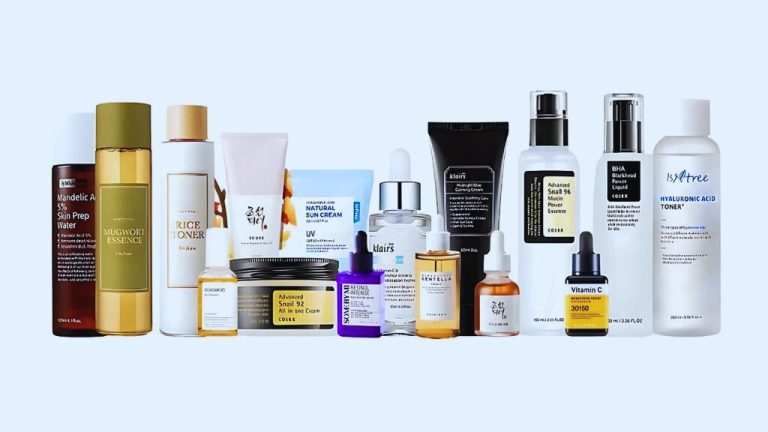
Instead of sunscreen, your nighttime skincare routine should focus on hydration, skin repair, and rejuvenation. Here’s what you can use instead:
- Moisturizers
Nighttime is when your skin needs hydration the most. Moisturisers are a crucial part of your nighttime routine, helping to lock in moisture and restore the skin’s natural barrier. Look for thicker, more nourishing formulas at night. - Serums
Serums are packed with antioxidants, hyaluronic acid, and other active ingredients that can help repair skin damage, increase collagen production, and promote cell turnover while you sleep. - Night Creams
Night creams are specially formulated to work with your skin’s natural healing process. These creams are often richer in texture, containing ingredients that focus on hydration, repair, and anti-aging. - Eye Creams
The skin around your eyes is delicate, so it’s important to treat it with care. Eye creams with peptides or caffeine can help reduce puffiness, fine lines, and dark circles while you sleep.
Conclusion
So, should you put sunscreen on at night? The simple answer is no. Sunscreen is designed for sun protection, not nighttime repair.
While there are rare cases where it may help, most people gain no benefit from using sunscreen after sunset. In fact, it may block pores and reduce the effect of nighttime skincare products.
At night, your skin needs rest, hydration, and repair. Focus on cleansers, serums, and moisturisers that support this natural process.
Use sunscreen in the morning. Let your skin recover at night. This balance keeps your skin healthy, clear, and strong over time.