Does Wearing Sunscreen Prevent Tanning
Sunshine can be tempting, especially when you want that golden, sun-kissed glow. But what role does sunscreen play in tanning? Can it stop your skin from darkening, or does it only protect you from burns?
Sunscreen protects your skin from sunburn and long-term damage, but it won’t completely stop you from tanning. No sunscreen blocks 100% of UV radiation.
Tanning is your skin’s natural response to UV exposure. When your skin senses ultraviolet rays, it produces melanin. The pigment responsible for darkening your skin. Sunscreen, on the other hand, protects your skin by absorbing, reflecting, or blocking UV rays. Knowing how these two interact can help you enjoy a safe tan without harming your skin.
What is the Tanning Process
Tanning happens when UVA rays penetrate the skin and trigger melanocytes, the cells responsible for producing melanin. The more melanin your skin produces, the darker your tan becomes.
While melanin helps protect your skin from further damage, it’s essentially a sign that some UV damage has already occurred. This means even a light tan represents some level of skin stress. Sunburn occurs when UVB rays overwhelm your skin’s defenses, causing redness, pain, and damage.
In short, tanning is your skin’s way of defending itself. Sunscreen helps reduce this damage but does not completely prevent tanning.
Common Misconceptions About Sunscreen and Tanning
Many believe that lower SPF sunscreens help you tan faster, while higher SPF sunscreens prevent tanning. This is only partly true. SPF measures protection against UVB rays. Which causes sunburn. UVA rays, responsible for tanning and aging, are only partially blocked by most sunscreens.
Another myth is that tanning beds are safe if you wear sunscreen. They are not. Tanning beds concentrate UVA and UVB rays, causing damage faster than sunlight. There is no safe tan that comes without risk.
Role of Sunscreen in Tanning
Sunscreen’s main job is to prevent sunburn and long-term damage like premature aging or skin cancer. It does this by limiting the amount of UV rays that reach your skin.
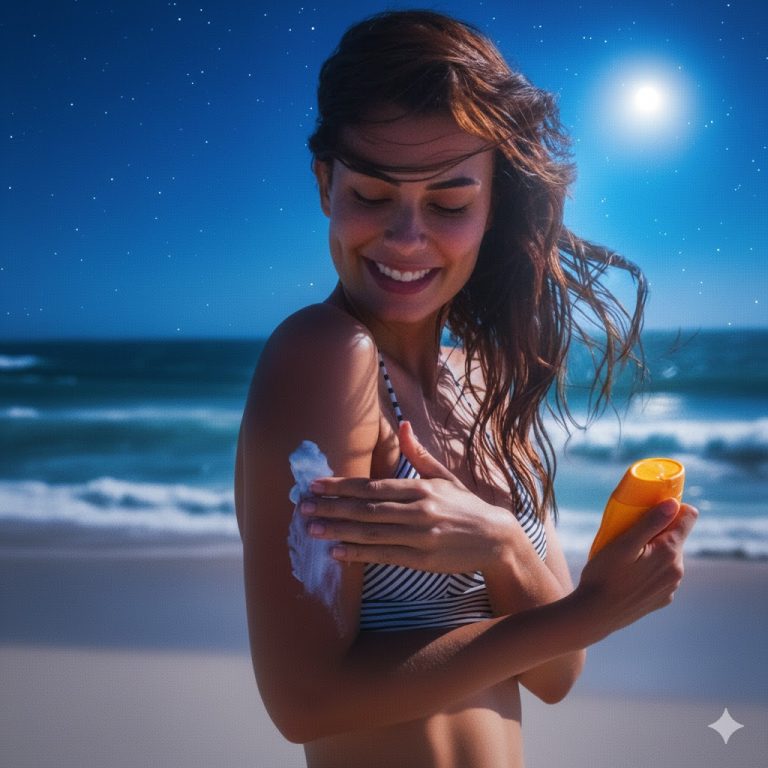
While sunscreen reduces UV exposure. It does not block all rays. This means that even with sunscreen on, your skin can still produce melanin and develop a tan. Sunscreen slows down the tanning process but allows you to enjoy the sun with less risk of burning.
Using sunscreen correctly, applying enough, and reapplying every two hours, is essential. Without proper use, the skin can still burn and sustain damage.
Understanding the Sun’s UV Rays (UVA and UVB)
The sun emits UVA and UVB rays. UVB rays are responsible for sunburns and visible skin damage. UVA rays penetrate deeper, leading to aging and tanning.
Sunscreen works as a barrier between your skin and these rays. Broad-spectrum sunscreens protect against both UVA and UVB rays. Understanding these rays helps you choose the right sunscreen for tanning safely.
How Sunscreen Works To Protect the Skin
Sunscreens protect using two main methods: mineral and chemical.
- Mineral sunscreens: Contain zinc oxide or titanium dioxide. These reflect UV rays off the skin.
- Chemical sunscreens: Contain ingredients like avobenzone or octinoxate. These absorb UV energy and convert it to heat.
Both methods reduce skin damage while allowing some UV rays to penetrate for gradual tanning.
SPF and Its Impact on Tanning
SPF (Sun Protection Factor) indicates how well a sunscreen blocks UVB rays:
- SPF 15 blocks ~93% of UVB rays
- SPF 30 blocks ~97%
- SPF 50 blocks ~98%
Higher SPF offers slightly more UVB protection but does not guarantee UVA protection. Broad-spectrum coverage is key to limiting both sunburn and skin damage while allowing controlled tanning.
| SPF Level | UVB Protection | UVA Protection | Tanning Potential | Notes |
|---|---|---|---|---|
| SPF 15 | ~93% | Low | High | Allows more UVA rays for faster tanning but still protects against most sunburns. |
| SPF 30 | ~97% | Moderate | Moderate | Good balance of sun protection and gradual tanning. Recommended for safe sun exposure. |
| SPF 50 | ~98% | Moderate-High | Low-Moderate | Slower tanning; excellent protection against sunburn and skin damage. |
| SPF 100 | ~99% | High | Low | Maximum UVB protection; tanning still possible but very gradual. Not always necessary. |
How to Use This Table:
- Choose SPF based on your skin type, desired tan, and sun exposure duration.
- Reapply every 2 hours or after swimming/sweating.
- Use broad-spectrum sunscreen to block both UVA and UVB rays effectively.
Does Higher SPF Prevent Tanning?
Higher SPF slows down tanning but does not completely prevent it. UVA rays still penetrate the skin, causing melanin production and color change.
For those aiming for a safe tan, SPF 30 to 50 is usually sufficient. It balances sun protection with limited tanning. Higher SPF like 100 offers extra UVB protection but does not significantly change tanning outcomes.
Read More: Difference Between Face and Body Sunscreen
How SPF Levels Impact Tanning and Sun Protection
Your choice of SPF affects both safety and tanning speed:
- SPF 15–30: Allows some UVB through, so tanning happens faster. Still prevents most burns if applied correctly.
- SPF 50+: Slows tanning but maximizes protection against sunburn and long-term damage.
Reapplication every two hours, or after swimming or sweating, ensures the sunscreen maintains effectiveness. Short, repeated sun exposure is better than long sessions to enjoy a tan safely.
Risks and Benefits of Tanning with Sunscreen
Tanning has some benefits, like boosting vitamin D and giving a temporary glow. However, UV exposure still causes skin stress, aging, and increases skin cancer risk over time.
Sunscreen reduces immediate risks like sunburn but cannot eliminate all damage. Moderation is key:
- Limit sun exposure to 10–15 minutes at a time during peak hours (10 AM–4 PM).
- Reapply sunscreen frequently.
- Avoid tanning beds entirely.
Safer alternatives like self-tanners, bronzers, or spray tans give color without UV damage. They allow a sun-kissed look without harming your skin.
Conclusion
Wearing sunscreen does not prevent tanning completely, but it slows the process and protects your skin from damage. SPF ratings matter for sunburn prevention, but broad-spectrum coverage ensures UVA and UVB protection.
Proper sunscreen use, regular application, high SPF, and reapplication allow safe sun exposure with minimal risk. Tanning gradually with sunscreen reduces long-term skin damage while still letting you enjoy a sun-kissed glow. Educate yourself and others about sun safety. Protect your skin today to keep it healthy and beautiful for years to come.
FAQs
Q: Does sunscreen prevent tanning?
A: No, sunscreen reduces UV exposure but cannot fully prevent tanning.
Q: Can you tan with sunscreen on?
A: Yes, but it will happen more slowly.
Q: Does SPF stop tanning?
A: SPF blocks UVB rays, slowing tanning, but UVA rays still allow melanin production.
Q: Is a higher SPF better for tanning?
A: Higher SPF slows tanning slightly but mainly protects against burns.
Q: Are tanning beds safe with sunscreen?
A: No. Tanning beds concentrate UV rays and increase skin damage risk.