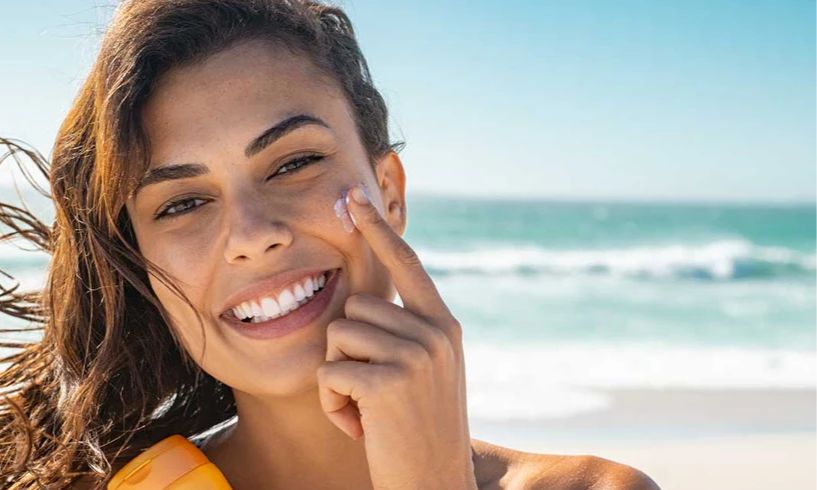
How Long Does Face Sunscreen Last
Your face gets more sun than any other part of your body. It is exposed every day—while walking, driving, working near windows, or scrolling near bright light. That is why face sunscreen is not optional. It protects your skin from sunburn, dark spots, early aging, and skin cancer.
But here is the key question many people miss: how long does face sunscreen last? Face sunscreen lasts about two hours under normal conditions. During sweating, swimming, or intense sun exposure, it lasts less.
Applying it once in the morning is not enough. Sunscreen fades, breaks down, and rubs off. Heat, sweat, oil, and sunlight all reduce its power. Knowing how long face sunscreen lasts helps you reapply at the right time and keep your skin protected all day.
Face Sunscreen Duration
Face sunscreen does not last all day after a single application. In most cases, sunscreen on the face remains effective for about two hours under normal conditions. This applies whether the sunscreen is mineral or chemical and regardless of SPF level.
Sun exposure, sweat, natural oils, and touching your face can all reduce sunscreen coverage over time. Even if your face does not feel sweaty or oily, sunscreen protection gradually breaks down once applied. This is why regular reapplication is necessary for continued protection.
Water-resistant sunscreens can last longer, but they are not permanent. Understanding your sunscreen’s ingredients can help you stay protected without overapplying.
How Long It Works and Exactly When to Reapply
Sunscreen begins working as soon as it forms an even layer on your skin. Mineral sunscreens work immediately, while chemical sunscreens usually need around 15 minutes to absorb before becoming effective.
Dermatologists recommend reapplying face sunscreen every two hours when you are outdoors. This rule applies even on cloudy days, as UV rays can pass through clouds and windows. If you are indoors but sitting near a window for long periods, reapplication may still be needed.
If you wipe your face, touch your skin often, or wear makeup that rubs off sunscreen, reapply sooner. Sunscreen does not last longer simply because it has a higher SPF.
How Long Does Sunscreen Last During Activities?
During physical activities, sunscreen wears off more quickly. Sweating, swimming, and towel-drying all reduce how long sunscreen stays on your face.
Activities like swimming, exercising, or sweating can remove sunscreen from your face. Water-resistant sunscreens provide longer protection, but they still need reapplication after 80 minutes of swimming or heavy sweating.
Rubbing your face with a towel or wiping sweat can also reduce sunscreen effectiveness. For outdoor sports or beach days, plan to reapply sunscreen frequently to maintain coverage. Using a stick or mineral sunscreen on sensitive areas like your nose, ears, and under your eyes is helpful for consistent protection.
How Long Does Sunscreen Last in the Bottle?
Unopened sunscreen typically lasts two to three years from the manufacturing date. Most products include an expiration date on the packaging. Once opened, sunscreen can degrade faster due to air exposure, heat, and contamination.
If sunscreen changes in color, texture, or smell, it should not be used. Storing sunscreen in hot environments, such as cars or direct sunlight, can shorten its shelf life.
Expired sunscreen may not provide full protection, even if it appears normal. Using fresh, unexpired sunscreen ensures you receive the protection stated on the label.
Does SPF Level Affect How Long Sunscreen Lasts?
SPF does not determine how long sunscreen lasts on your face. Instead, SPF measures how much UVB radiation the sunscreen blocks.
For example:
- SPF 30 blocks about 97% of UVB rays
- SPF 50 blocks about 98% of UVB rays
Both SPF 30 and SPF 50 sunscreens still need to be reapplied every two hours. Higher SPF provides slightly more protection per application, but it does not extend the time before reapplication.
Many people mistakenly believe higher SPF means fewer applications are needed. This is not true. Reapplication timing remains the same regardless of SPF level.
Factors Affecting the Longevity of Sunscreen on Your Skin
Several factors influence how long sunscreen protects your face:
- Sweating or swimming: Can wash away sunscreen.
- Touching or rubbing your face: Reduces effectiveness.
- Skin type: Oily skin may break down sunscreen faster than dry skin.
- Makeup: Can interfere with even application and coverage.
- Environment: Water, sand, snow, and high heat can weaken sunscreen.
Choosing the right sunscreen and following proper application techniques ensures longer-lasting protection.
What Type of Sunscreen Should You Use?
There are two main types of sunscreen: chemical and mineral.
- Chemical sunscreens absorb UV rays and are applied before going into the sun. They can irritate sensitive skin but are usually lightweight.
- Absorbs UV rays
- Lightweight and invisible
- Needs 15 minutes to activate
- Mineral sunscreens contain zinc oxide or titanium dioxide and act as a physical barrier. They work immediately and are better for sensitive skin.
- Reflects UV rays
- Works instantly
- Gentle on sensitive skin
- Hybrid Sunscreens absorb UV rays. Feels lighter and blends easily under makeup.
- Combine chemical and mineral filters
- Offer balanced protection
For everyday use, broad-spectrum sunscreen is recommended. It protects against both UVA and UVB rays. Choose a product suited to your skin type for optimal comfort and protection.
Read More:
Proper Techniques for Applying Sunscreen
To ensure sunscreen lasts, apply it correctly:
- Use enough sunscreen. For your face, about half a teaspoon is recommended. For your body, one ounce (a shot glass) is ideal.
- Apply sunscreen before sun exposure. Chemical sunscreens need 15 minutes to absorb.
- Don’t miss sensitive areas: nose, ears, lips, and the tops of feet.
- Reapply every two hours or after swimming, sweating, or towel drying.
- For makeup wearers, apply sunscreen under your foundation. If your foundation has SPF, it is not enough by itself.
Following these steps ensures your face stays fully protected.
Key Takeaways
Face sunscreen is essential for preventing sunburn, skin damage, and premature aging. Most sunscreens last around two hours on the skin, and activities like swimming, sweating, or touching your face can reduce this time.
Choosing the right type of sunscreen, applying it correctly, and reapplying as needed are key to maintaining protection. Always store sunscreen properly and check expiration dates to ensure maximum effectiveness. Consistent use keeps your skin healthy and protected against harmful UVA and UVB rays.
FAQs About Sunscreen
Can you use sunscreen after the expiration date?
You can, but it is risky. Expired sunscreen may not provide full protection. This increases the chance of sunburn and skin damage. Replace expired sunscreen as soon as possible.
How long does sunscreen last during extreme heat?
Extreme heat shortens sunscreen life. High temperatures can weaken sunscreen both on your skin and in the bottle. Reapply every 60–90 minutes and store sunscreen in a cool place.
Does sunscreen last longer on dry skin?
Dry skin may hold sunscreen slightly longer than oily skin. However, reapplication is still necessary every two hours or after sweating or water exposure.